Curriculum
The Primary Curriculum Framework
In 2023, the Department of Education launched the Primary Curriculum Framework, the first ever curriculum framework for primary education in Ireland. Developed by the National Council for Curriculum and Assessment (NCCA), the Framework sets out the vision, principles, and key competencies that will guide learning, teaching, and assessment for all children in primary and special schools. It builds on the strengths of the 1999 curriculum while placing a greater emphasis on areas such as Wellbeing, STEM Education, Modern Foreign Languages, and a broader Arts Education, alongside increased agency and flexibility for teachers and children alike.
Since the Framework’s launch, the curriculum has been redeveloped in phases. The Primary Language Curriculum/Curaclam Teanga na Bunscoile was first introduced in 2019 for all four stages, from junior infants to sixth class, and the Primary Mathematics Curriculum followed in 2023. In 2025, the Department published the full suite of redeveloped specifications, organised into five curriculum areas:
- Language – updated to include Modern Foreign Languages, building children’s awareness of languages and cultures from third class onwards
- STEM Education – Science, Technology, Engineering, and Mathematics
- Arts Education – Art, Drama and Music
- Social and Environmental Education -History, Geography, and learning about religions, beliefs and worldviews
- Wellbeing
Schools are now enacting these specifications on a phased basis. Each school selects the order in which it introduces the curriculum areas, though Wellbeing must be among the first three chosen, and begins with one area at a time, supported by dedicated professional learning for staff. Schools may also opt to take a consolidation year to embed and strengthen an area before moving on to the next. This phased approach is designed to ensure each curriculum area is introduced thoughtfully and sustainably, with all suggested time allocations to be in place by the end of the 2027/2028 school year.
Scoil Phádraig is committed to engaging fully with this process, working with the Department, the NCCA, and Oide to ensure our teachers are well supported as they bring the redeveloped curriculum to life in our classrooms. Further information on the Framework, including videos and webinars, is available at curriculumonline.ie.
Languages at Scoil Phádraig
Language learning is at the heart of every child’s primary school experience. Under the redeveloped Primary School Curriculum, children in Scoil Phádraig learn English as their first language (L1) and Irish as their second language (L2) throughout all four stages of primary school, junior infants right through to sixth class. Both languages follow the same structure, built around oral language, reading and writing, and children build their skills in listening, speaking, reading and writing across a wide variety of texts and genres as they progress through school.
Although English and Irish are taught separately, the Language Specification (2025) recognises that languages are deeply interconnected. Skills, strategies and knowledge that children build in one language, such as understanding how print works, comprehending a text, or planning a piece of writing, transfer naturally to the other. Teachers are encouraged to draw children’s attention to the similarities and differences between English and Irish, helping them build a richer, more flexible understanding of language as a whole, and a genuine curiosity about how languages work.
Central to this approach is language awareness: children’s growing insight into how languages work, how they relate to one another, and how they themselves learn best as language users. This is woven through every stage of primary education and takes on particular importance from third class onwards, when children begin exploring languages and cultures more explicitly, drawing on their existing knowledge of English and Irish.
Our classrooms also reflect the rich linguistic diversity of modern Ireland. Many of our children bring additional home languages with them to school, and the curriculum places real value on this, encouraging children to share and draw on their full linguistic repertoire as part of their learning. This not only supports children who speak languages other than English or Irish at home, but benefits the whole class, as children learn from one another’s experiences of language and culture.
Building on this foundation, children in fifth and sixth class will be introduced to a Modern Foreign Language for the first time. They will begin learning to communicate at a very basic to basic level, while continuing to deepen their wider awareness of how languages and cultures connect. As with the other curriculum areas, the introduction of Modern Foreign Languages in Scoil Phádraig will be enacted over the coming years, in line with the Department’s phased plan for the rollout of the Primary Curriculum Framework, ensuring our teachers are properly supported with training and resources as this exciting new element of language learning is introduced.
STEM Education at Scoil Phádraig
STEM Education – Science, Technology, Engineering and Mathematics – is one of the five curriculum areas in the redeveloped Primary Curriculum Framework. In Scoil Phádraig, we deliver STEM Education through two closely related specifications: the Science, Technology and Engineering (STE) Education specification and the Primary Mathematics Curriculum. Both are enacted across all four stages of primary school, from junior infants to sixth class.
The STE Education specification nurtures children’s natural curiosity, encouraging them to explore, question and engage with the world around them. Children develop their knowledge and skills through six strands:
- Nature of STEM
- Living Things
- Materials
- Energy and Forces
- Technology
- Engineering
Learning takes place through four elements – exploring and understanding; creative and critical thinking; applying and problem-solving; and evaluating and communicating – as children engage in scientific inquiry, computational thinking and the design thinking process, building the confidence and skills of natural investigators, designers and creators.
The Primary Mathematics Curriculum provides children with a strong foundation in mathematical thinking and problem-solving through the study of the relationships, connections and patterns that surround us. The over-arching aim of the curriculum is the development of mathematical proficiency, made up of five interwoven aspects: conceptual understanding, procedural fluency, strategic competence, adaptive reasoning and productive disposition. Mathematical learning is organised into five strands – algebra, data and chance, measures, number, and shape and space – developed through the elements of understanding and connecting, communicating, reasoning and applying, and problem-solving.
A key feature of the STEM Education specification is its emphasis on integrated STEM learning, which gives children dedicated opportunities to connect their learning across Science, Technology, Engineering and Mathematics and to apply it to real-world and imagined contexts. This integrated approach helps children see STEM not as separate subjects, but as connected ways of exploring, questioning and solving problems relevant to their own lives.
As with the other curriculum areas, STEM Education is being introduced in Scoil Phádraig in line with the Department’s phased plan for the rollout of the redeveloped curriculum, with dedicated professional learning supporting our teachers as they bring the Science, Technology and Engineering Education specification and the Primary Mathematics Curriculum to life in our classrooms.
Chromebooks
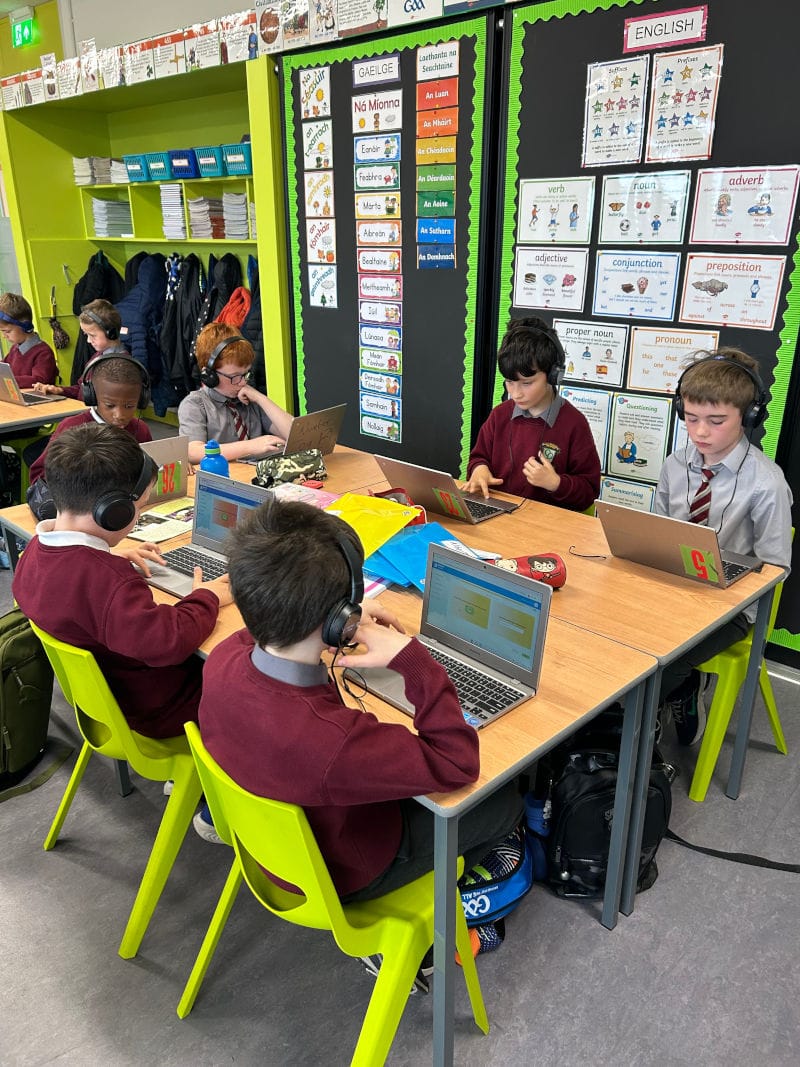
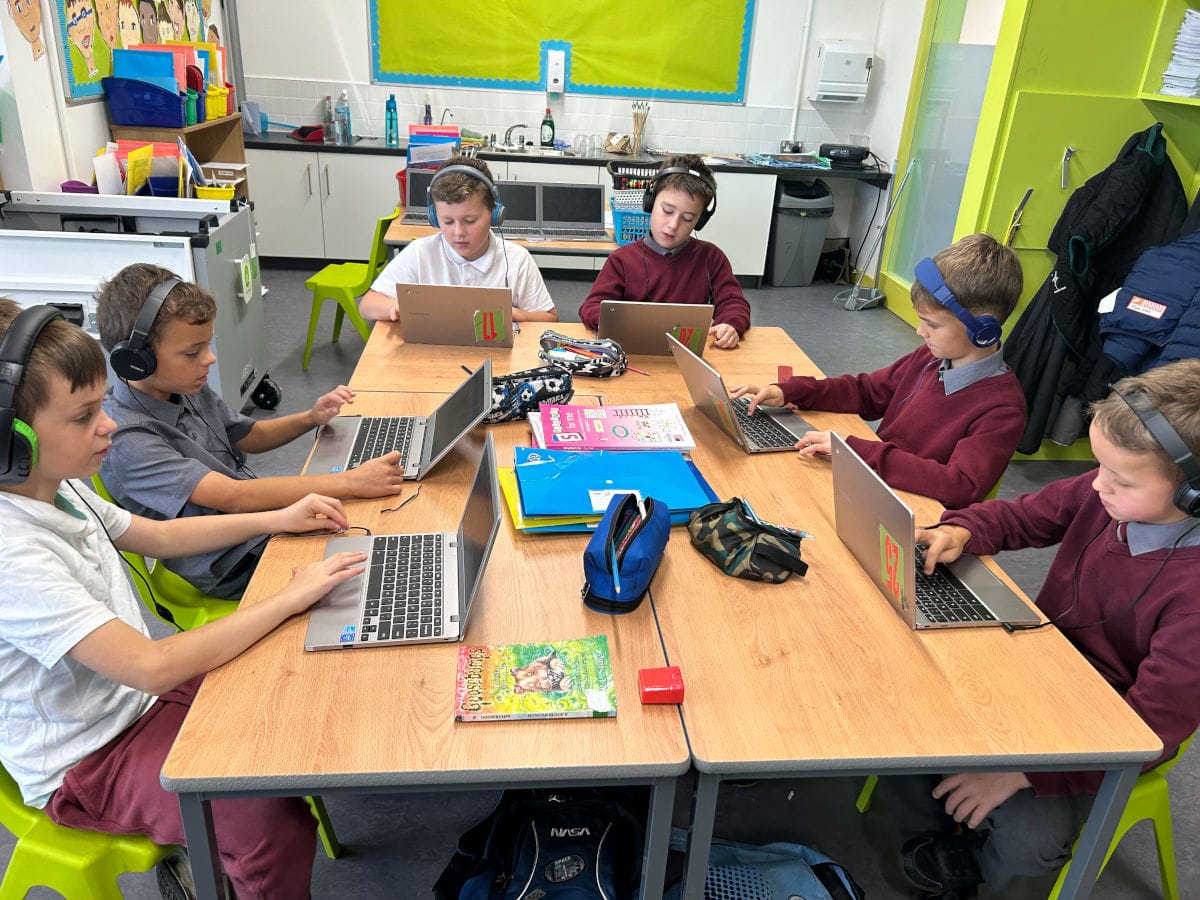
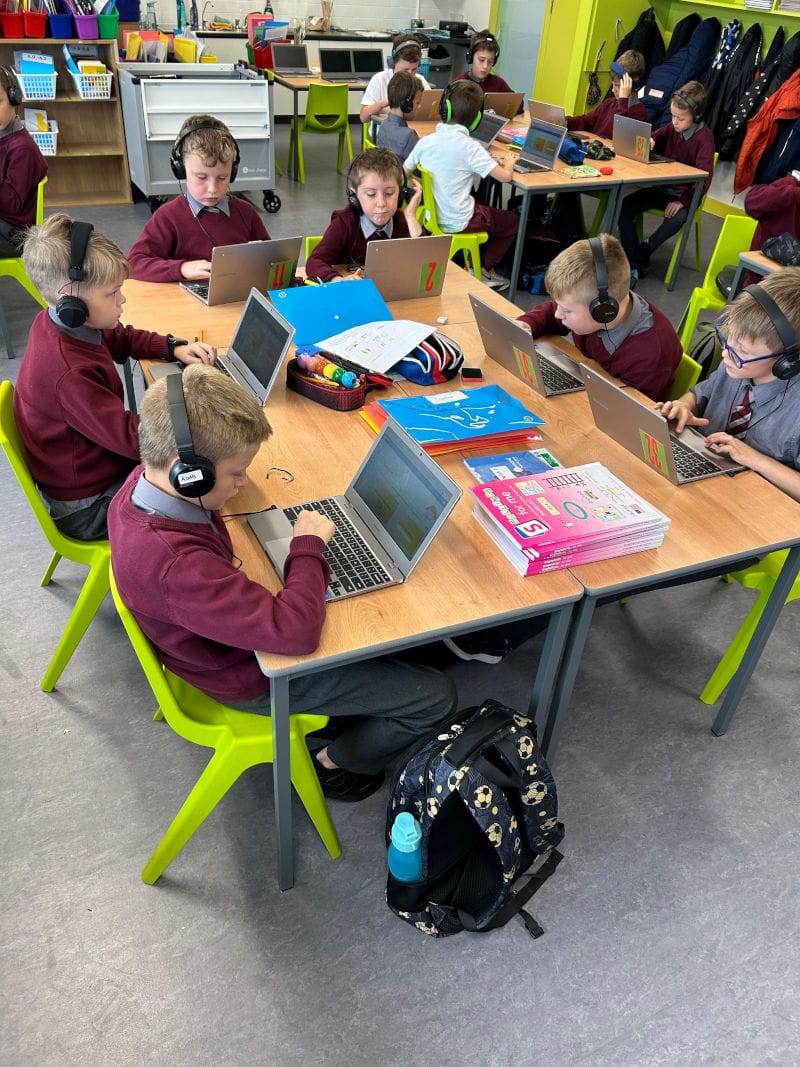
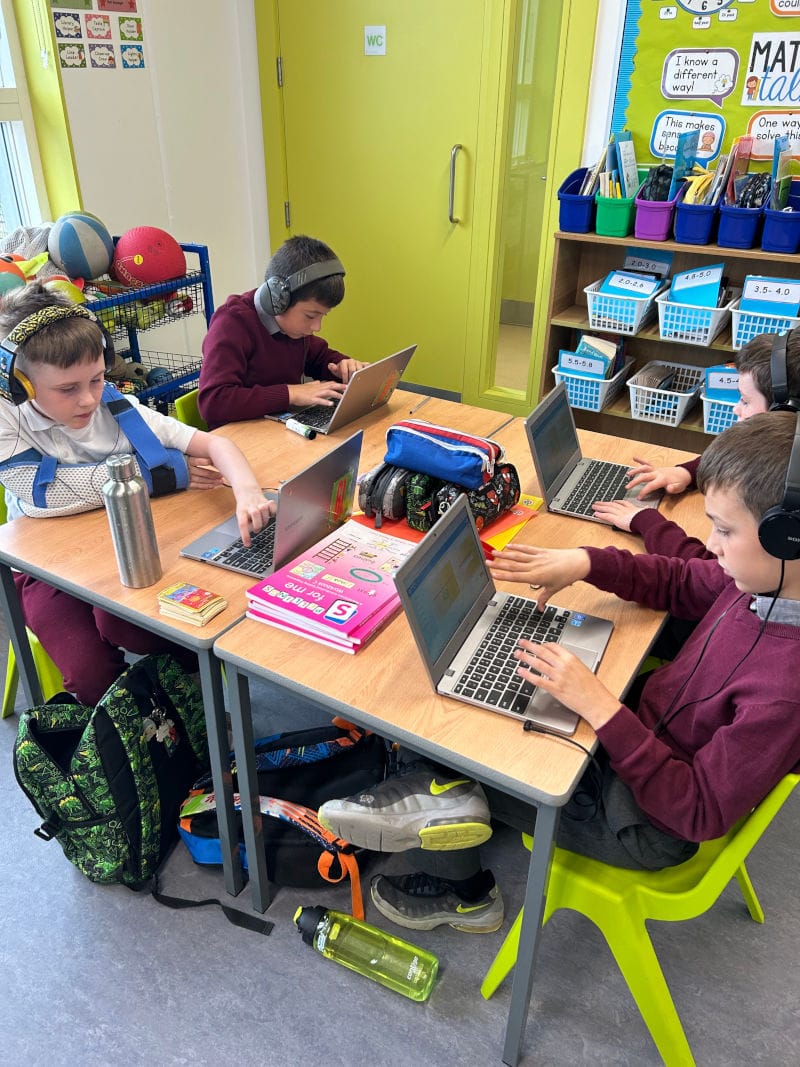
We in Scoil Phádraig recognise that in using ICT in our school we can affect the achievement in all subject areas in a very positive way and that using ICT for instruction can positively influence pupils’ attitudes towards learning and towards school life.
We are aware that ICT has the potential to improve not only basic educational skills but also higher order cognitive skills. Computers can increase the opportunity for all students to achieve where they may have previously failed. Interactive technology motivates and stimulates learning and engages the attention of those with emotional and behavioural difficulties.
Technology offers students the opportunity to take risks, become more analytical and work effectively in groups. In this way, technology encourages children to become more involved in their own learning and this has the potential to directly impact upon the quality of such learning.
Currently we have a strong ICT culture within our school. Pupils have the opportunity to increase their learning experience by using our student laptops and our integrated computer syllabus.
We at Scoil Phádraig hope that ICT will help with the implementation of the general aims of the Primary School Curriculum, namely:
- To enable the child to live a full life, and to realise his potential as a unique individual.
- To enable the child to develop as a social being through living and cooperating with others and so contribute to the good of society.
- To prepare the child for further education and lifelong learning.
Arts Education at Scoil Phádraig
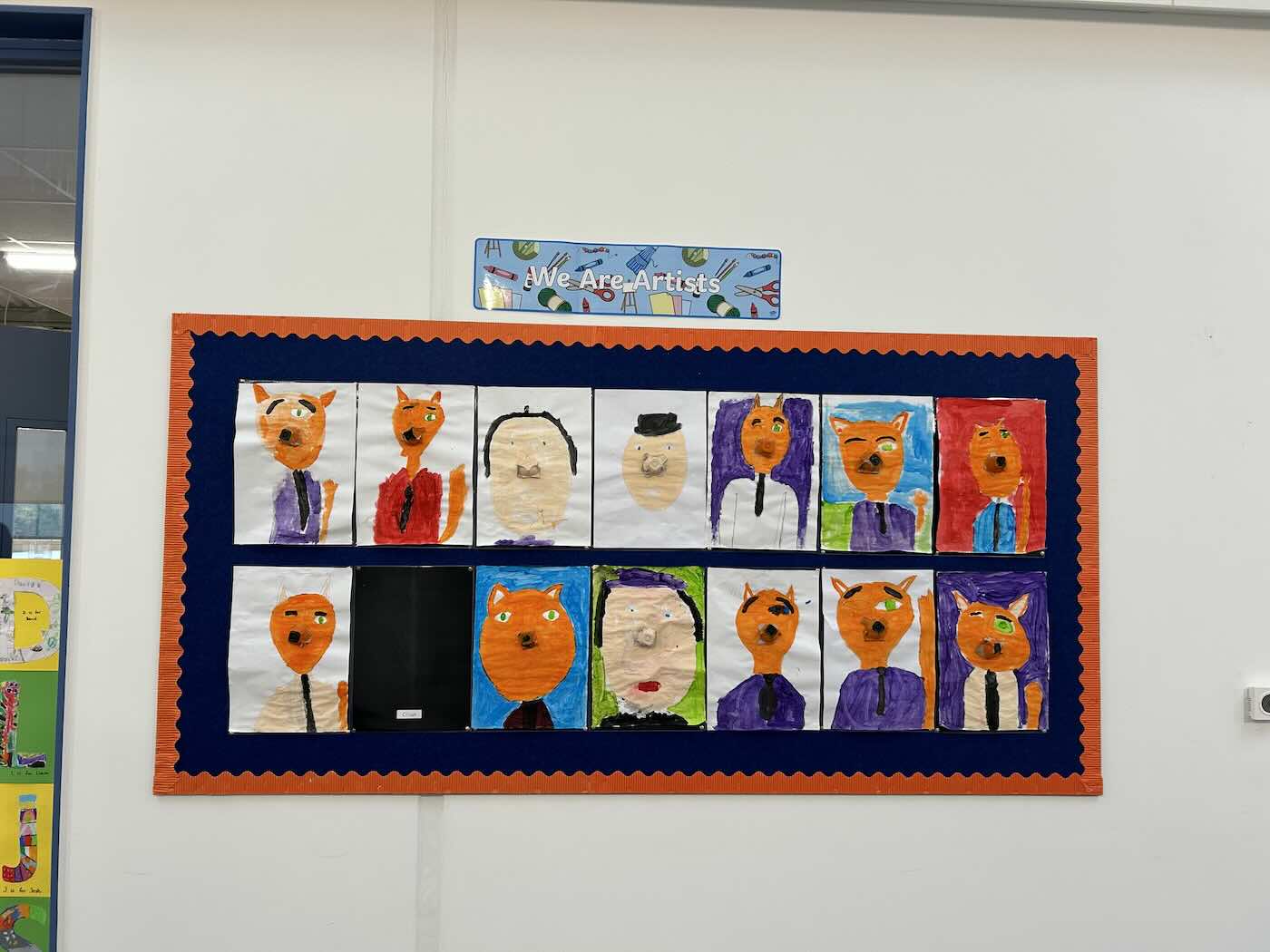
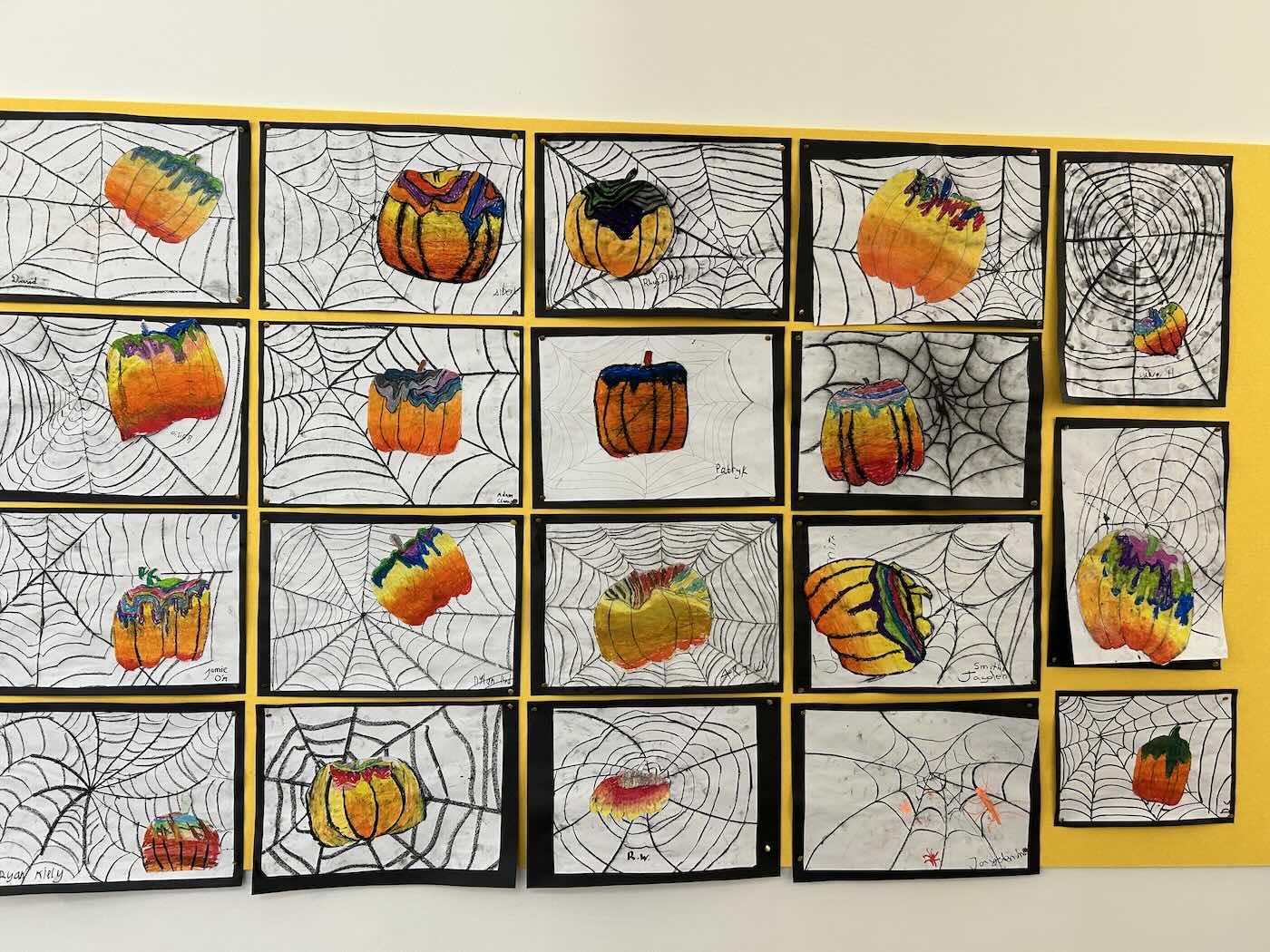
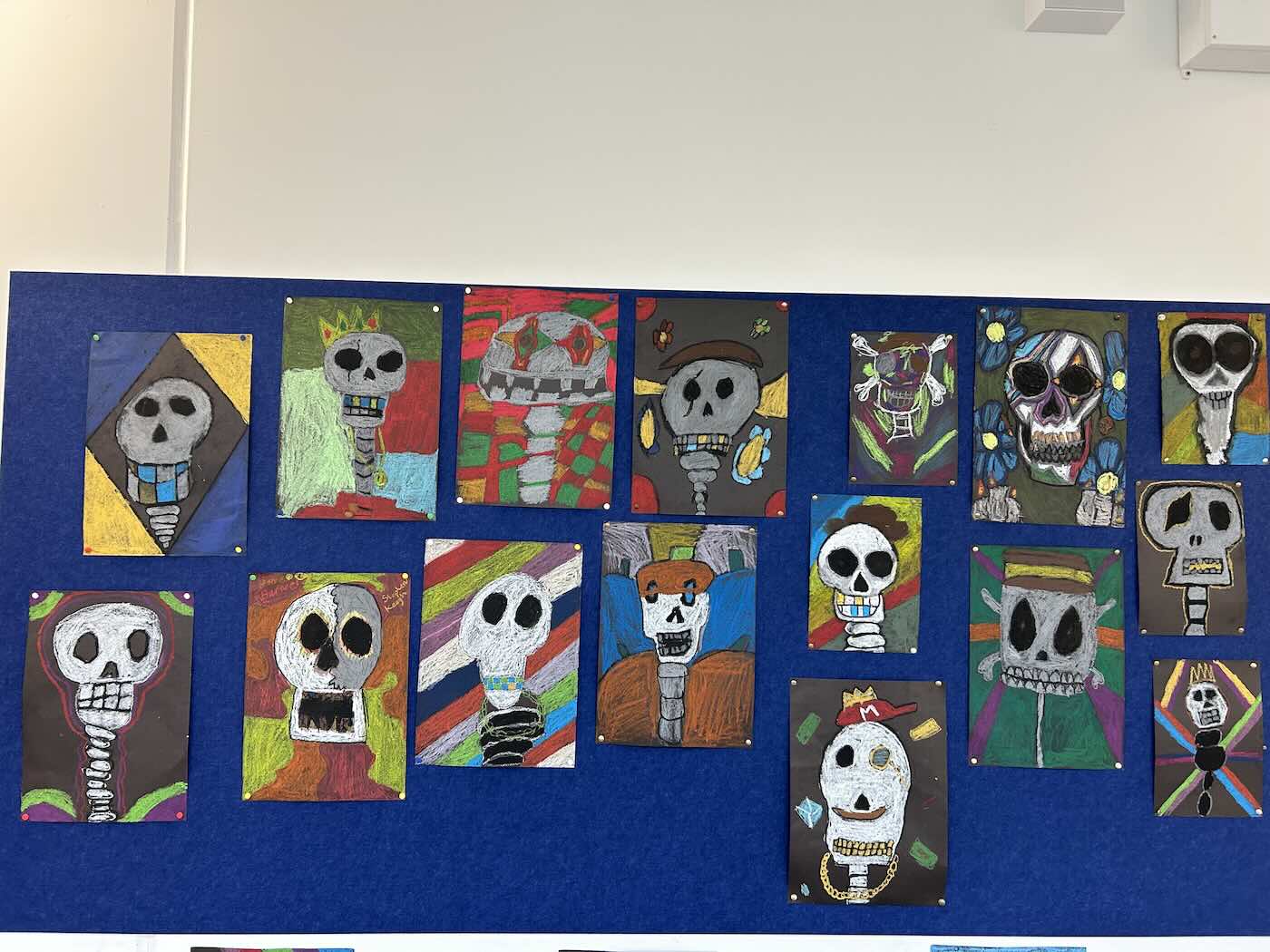
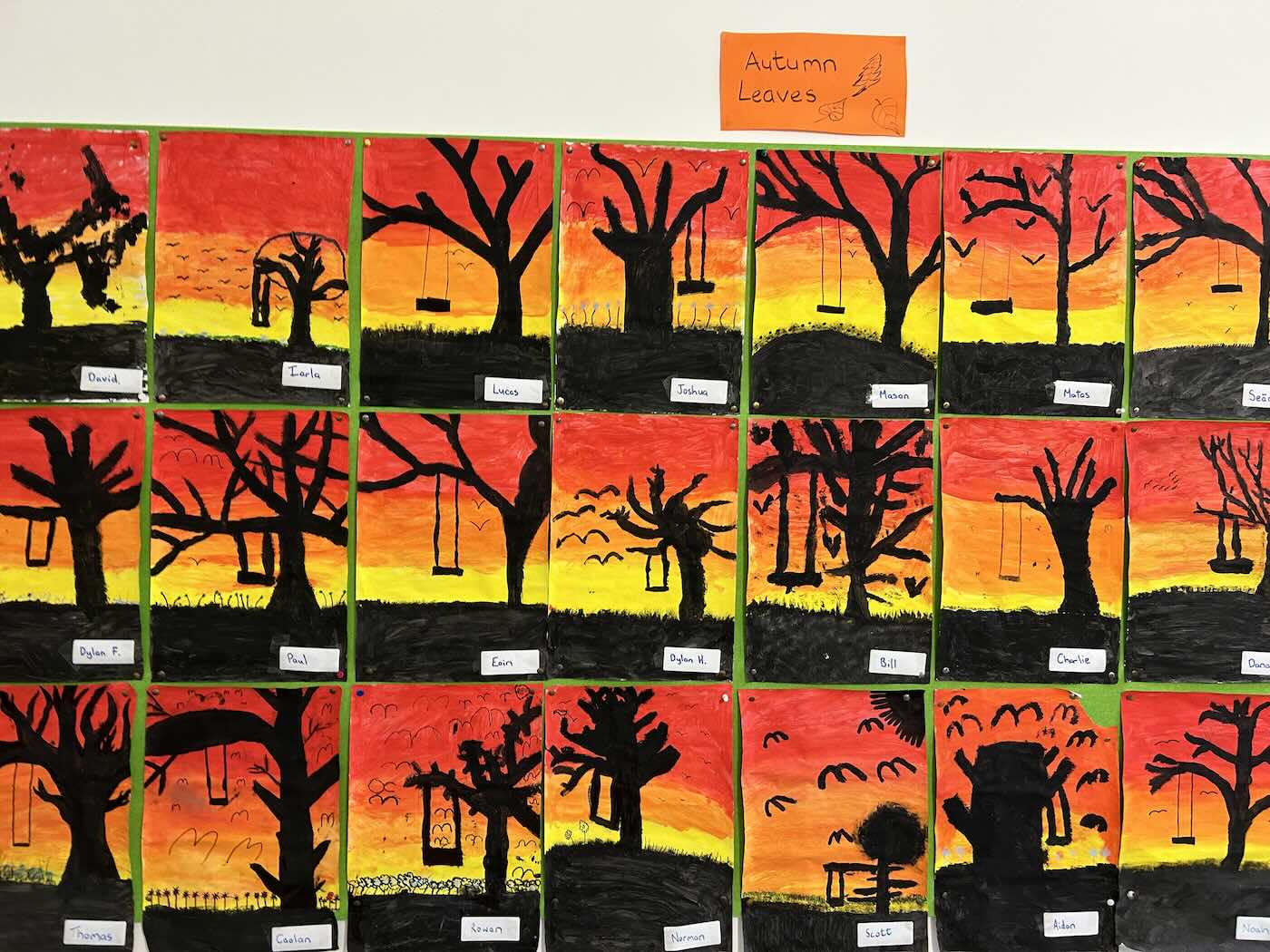
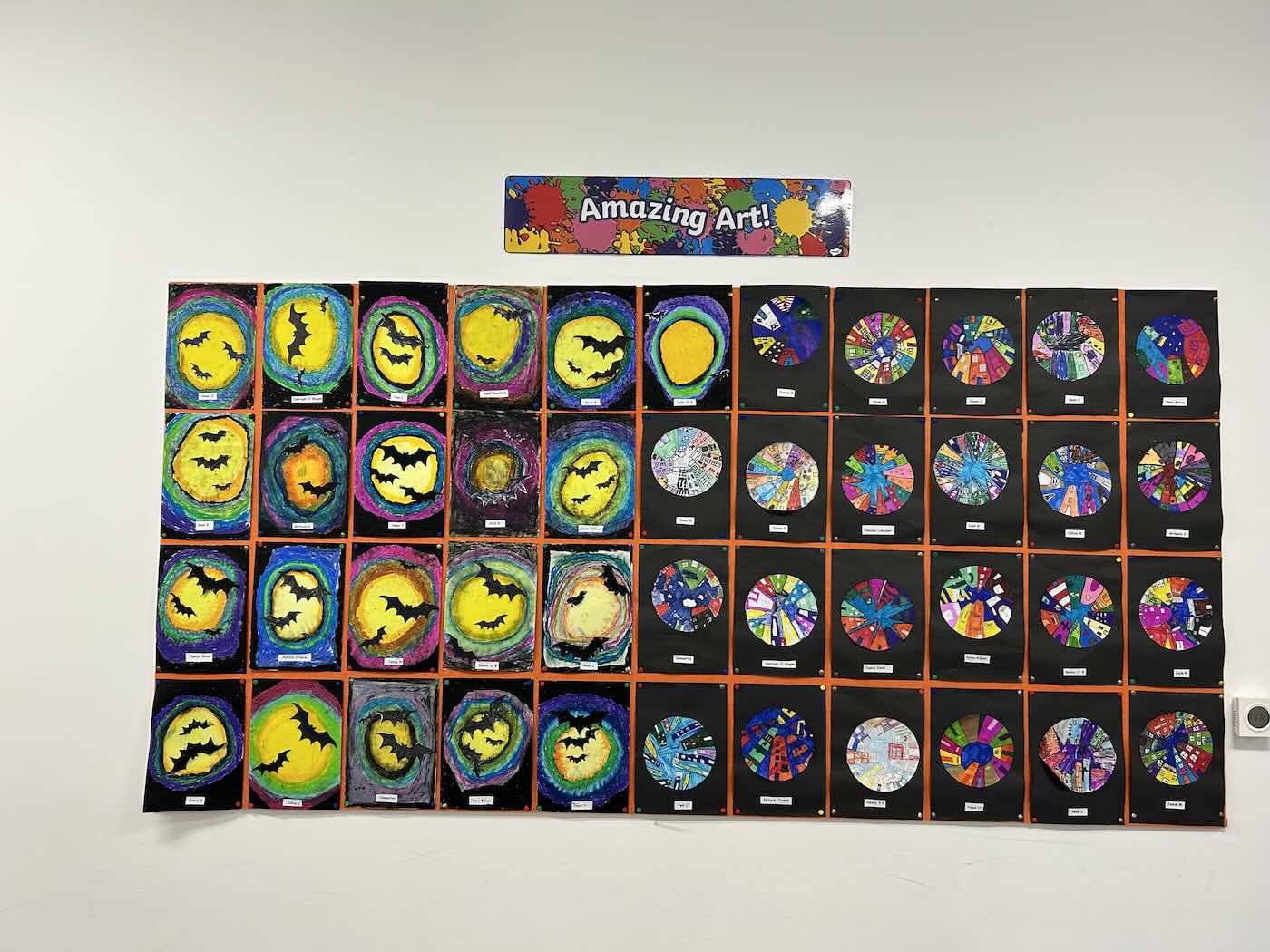
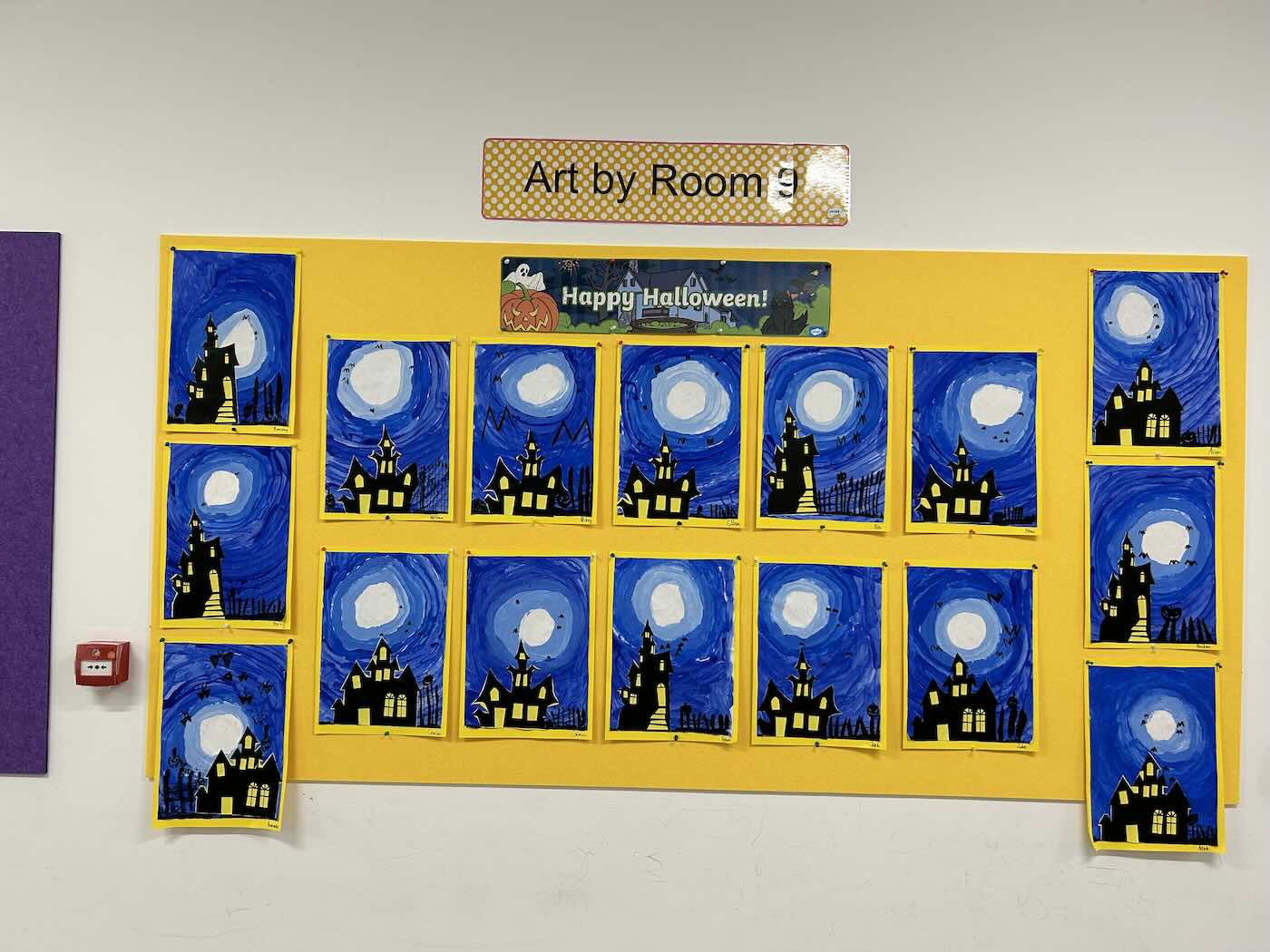
Arts Education is one of the five curriculum areas in the redeveloped Primary Curriculum Framework. It comprises Art, Drama and Music, and offers children important opportunities to engage their senses, ignite their imaginations and express ideas and feelings creatively through a variety of artforms. In Scoil Phádraig, we deliver Arts Education through the Arts Education Specification (2025), enacted across all four stages of primary school, from junior infants to sixth class.
Children’s learning in Arts Education is organised into three strands:
- Exploring and creating
- Performing and presenting
- Responding and connecting
These strands are also the processes children engage in as arts-makers: exploring ideas, taking creative risks and experimenting in Art, Drama and Music; performing, presenting and sharing their work with others; and responding to, reflecting on and appreciating their own arts works and those of other artists connected to the local community, Ireland and the wider world.
A key feature of the Arts Education specification is its emphasis on active, sensory and embodied engagement, where children learn by doing. Alongside discrete and integrated learning experiences in Art, Drama and Music, children have opportunities to engage with other artforms, including dance and media arts. This broad and balanced approach helps children make sense of the world around them, connects them to Ireland’s rich culture and heritage, and supports children’s wellbeing, creativity and self-expression in an enjoyable way.
As with the other curriculum areas, Arts Education is being introduced in Scoil Phádraig over the coming years, in line with the Department’s phased plan for the rollout of the Primary Curriculum Framework, with dedicated professional learning supporting our teachers as they bring the Arts Education specification to life in our classrooms.
Social and Environmental Education at Scoil Phádraig
Social and Environmental Education (SEE) is one of the five curriculum areas in the redeveloped Primary Curriculum Framework. It is an integrated curriculum area that draws on History and Geography, incorporating learning about religions, beliefs and worldviews. Through SEE, children explore their own and others’ heritage, reflecting on who they are, where they come from, where they belong and how they contribute to the society in which they live. In Scoil Phádraig, we deliver SEE through the Social and Environmental Education Specification (2025), enacted across all four stages of primary school, from junior infants to sixth class.
Learning in SEE is organised into three strands:
- My locality
- The island of Ireland
- Europe and the wider world
Within each strand, children work across three common strand units – identity and heritage; environment and sustainable living; and people and places – through three elements: inquiring, communicating, and understanding and connecting.
Central to SEE are the concepts of ‘working as a geographer’ and ‘working as a historian’. Working as geographers, children explore diverse environments, pose questions and interpret evidence to develop a sense of place, space and environmental awareness. Working as historians, children engage in historical inquiry, examining evidence from multiple perspectives to understand cause and effect, continuity and change, and time and chronology.
Learning and teaching in SEE is framed by five Global Learning Themes: human rights, democracy, equity, social and environmental justice, and sustainable development. Collectively, these themes empower children to become informed and active citizens who can contribute to a more equitable and sustainable future.
As with the other curriculum areas, Social and Environmental Education is being introduced in Scoil Phádraig over the coming years, in line with the Department’s phased plan for the rollout of the Primary Curriculum Framework, with dedicated professional learning supporting our teachers as they bring the SEE specification to life in our classrooms.
Wellbeing at Scoil Phádraig
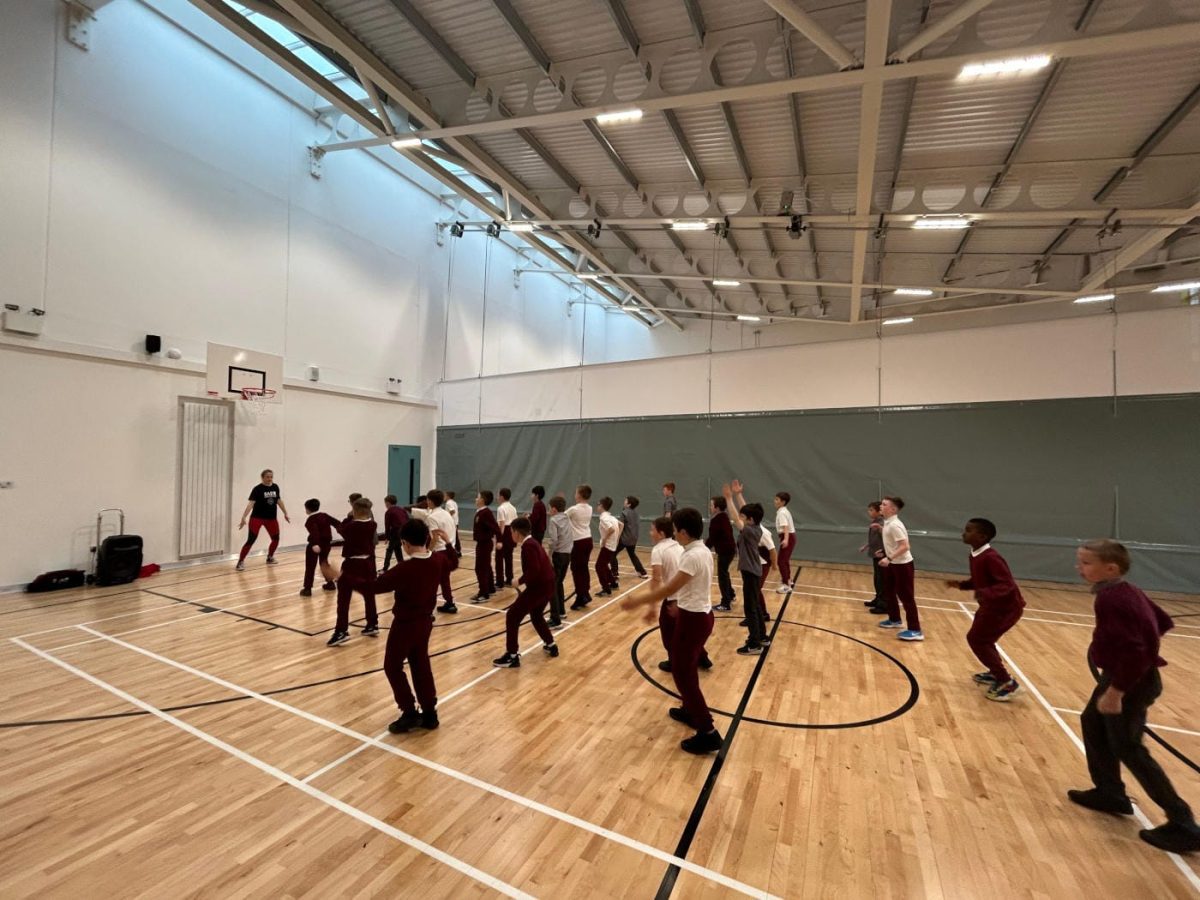
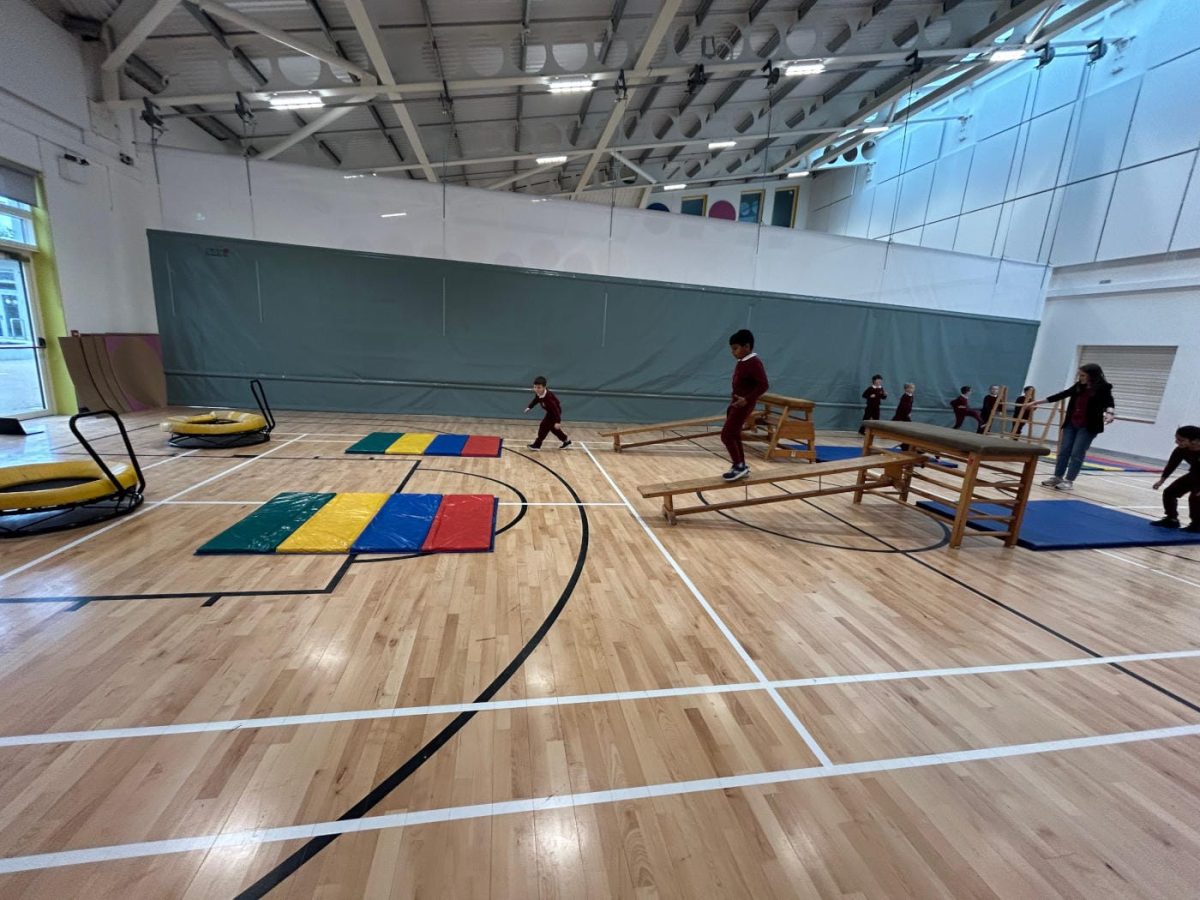
Wellbeing is one of the five curriculum areas in the redeveloped Primary Curriculum Framework. It brings together two subjects, Physical Education (PE) and Social, Personal and Health Education (SPHE), and focuses on children’s physical, social, relational, emotional and spiritual development. In Scoil Phádraig, we deliver Wellbeing through the Wellbeing Specification (2025), enacted across all four stages of primary school, from junior infants to sixth class.
Through PE, children develop their movement competence, understanding and confidence, while cultivating positive attitudes towards an active and healthy lifestyle. Through SPHE, children develop the social, emotional and relational knowledge, skills and values needed to understand themselves, build healthy relationships and become active, responsible citizens. Learning in Wellbeing happens in two connected ways: learning ‘about’ wellbeing, through building knowledge, understanding and skills, and learning ‘for’ wellbeing, through a positive school culture where respectful, caring relationships and experiences support every child to thrive.
Children’s learning in Wellbeing is organised into four strands:
- Movement competence
- Emotional and relational education
- Health education
- Community and belonging
Each strand is developed through four elements that describe how children learn: communicating, exploring and applying, moving, and reflecting and understanding.
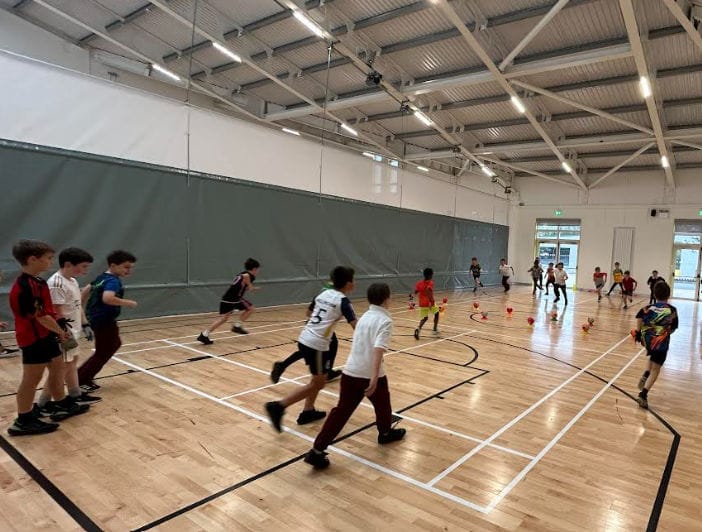
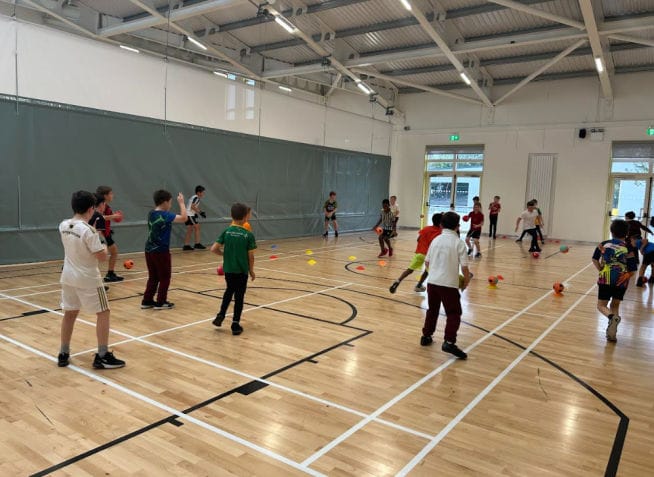
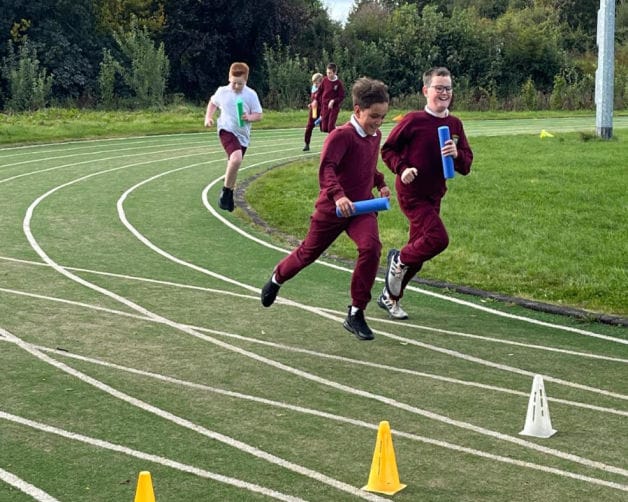
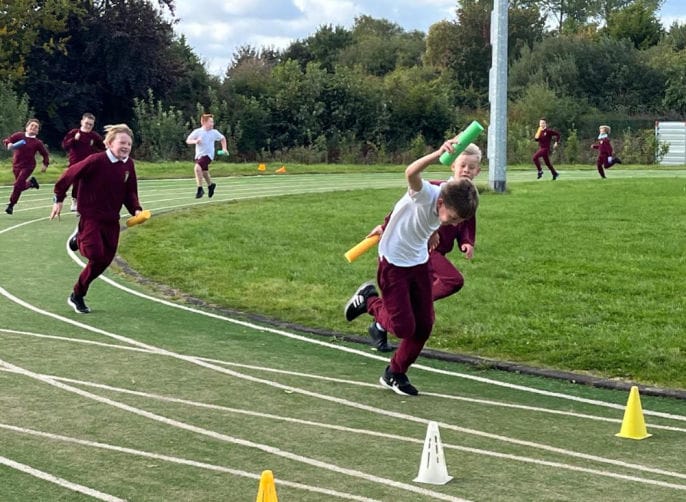
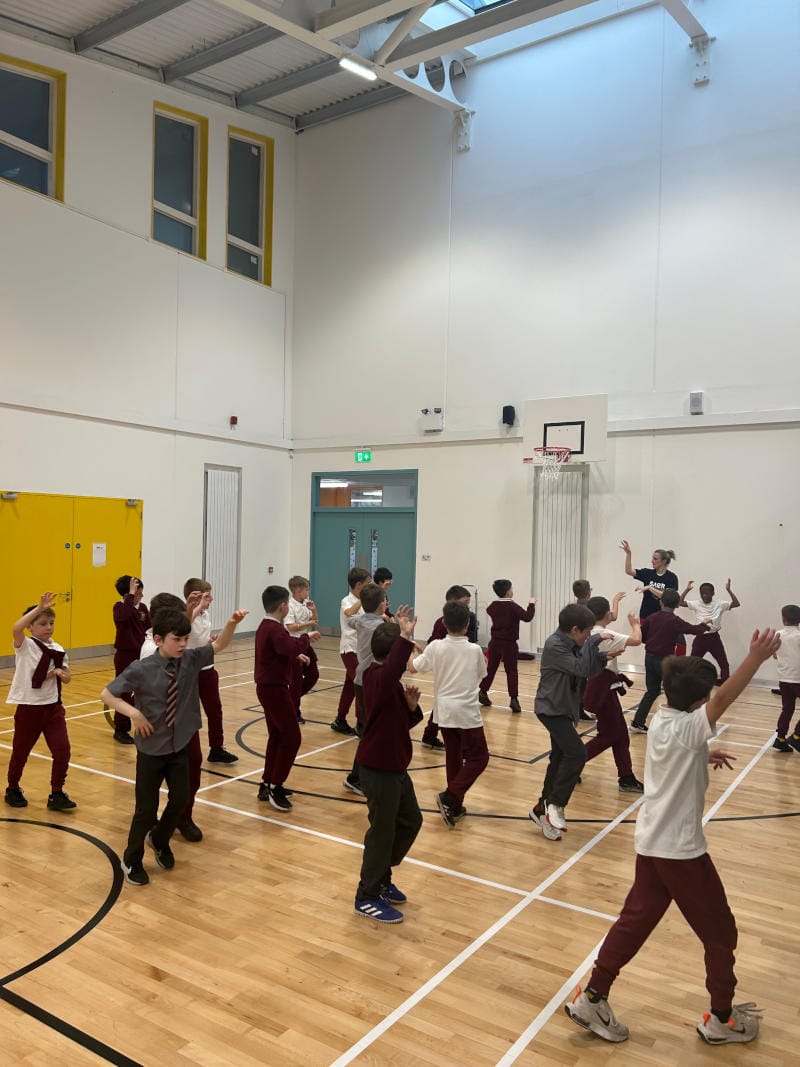
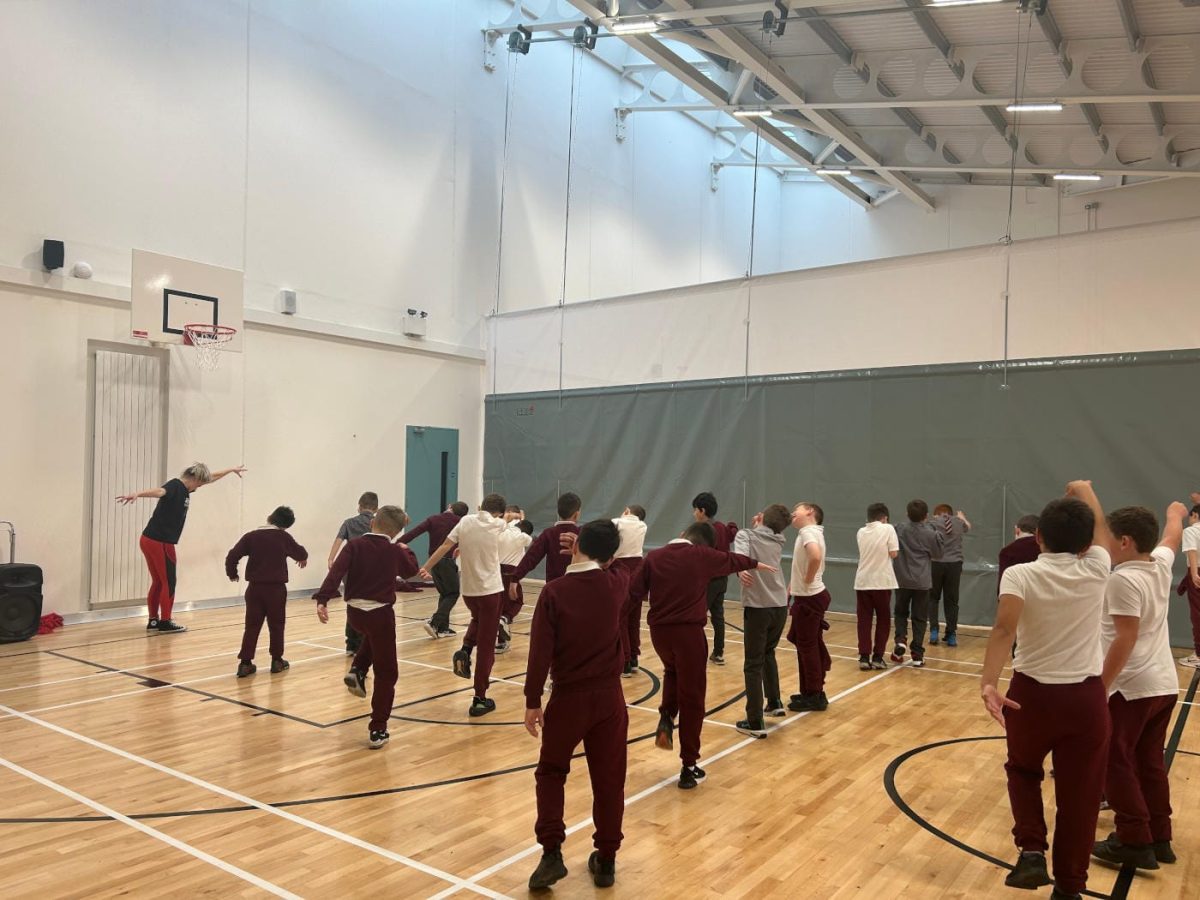
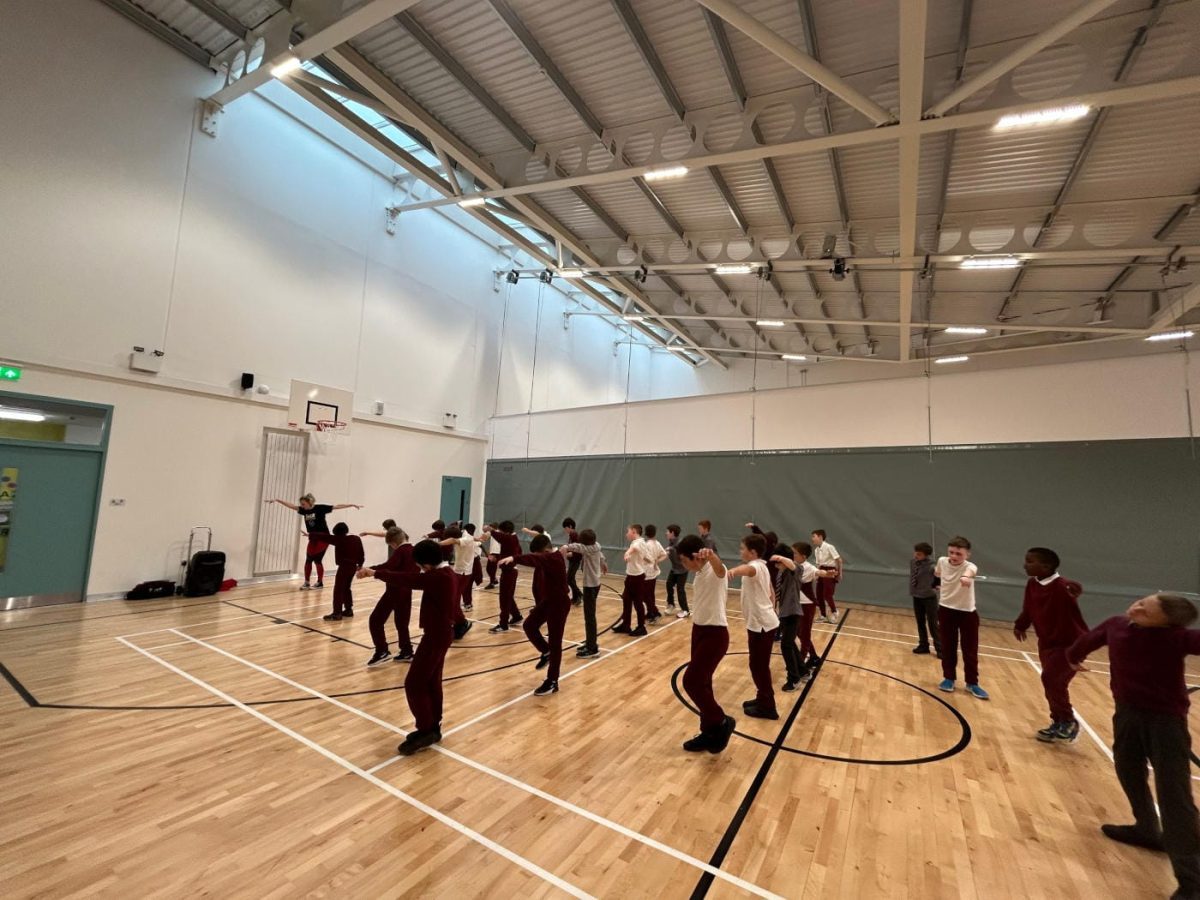
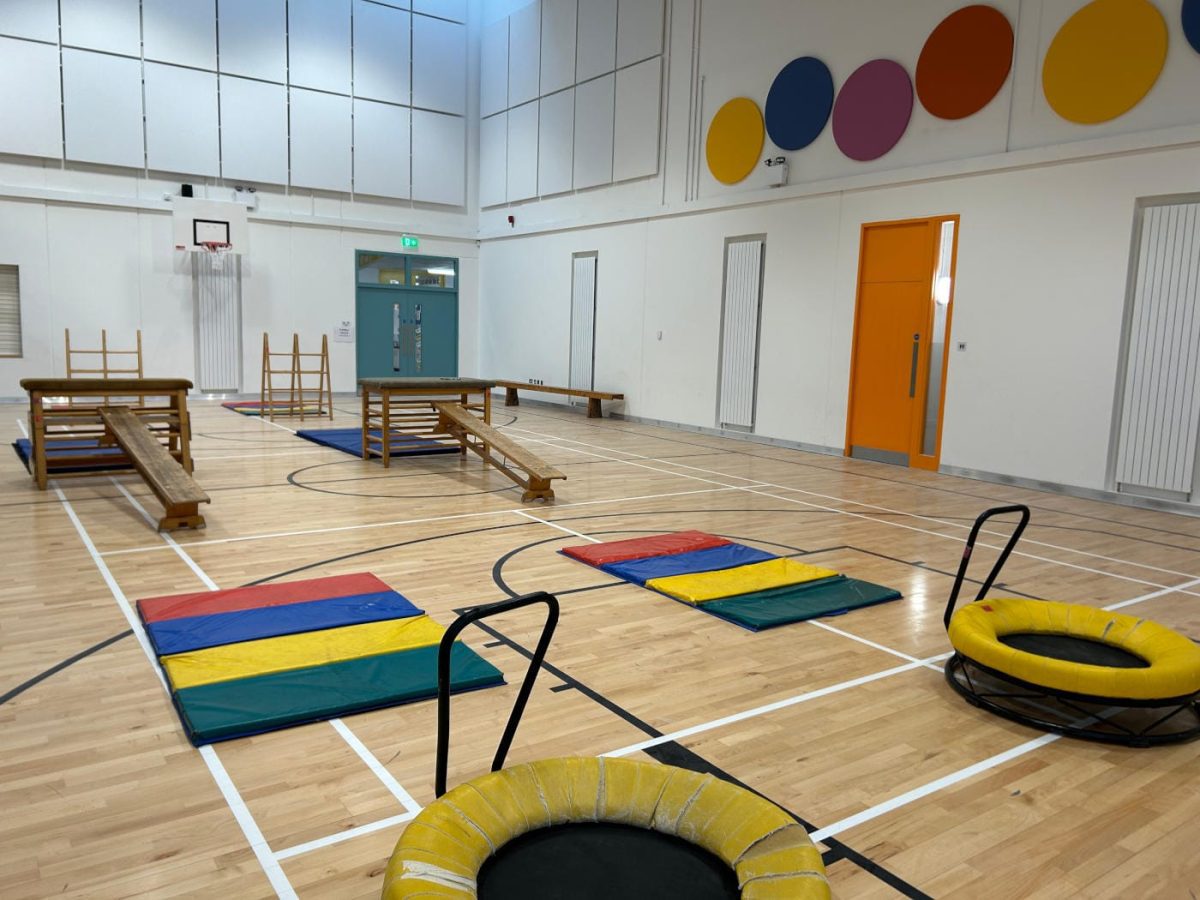
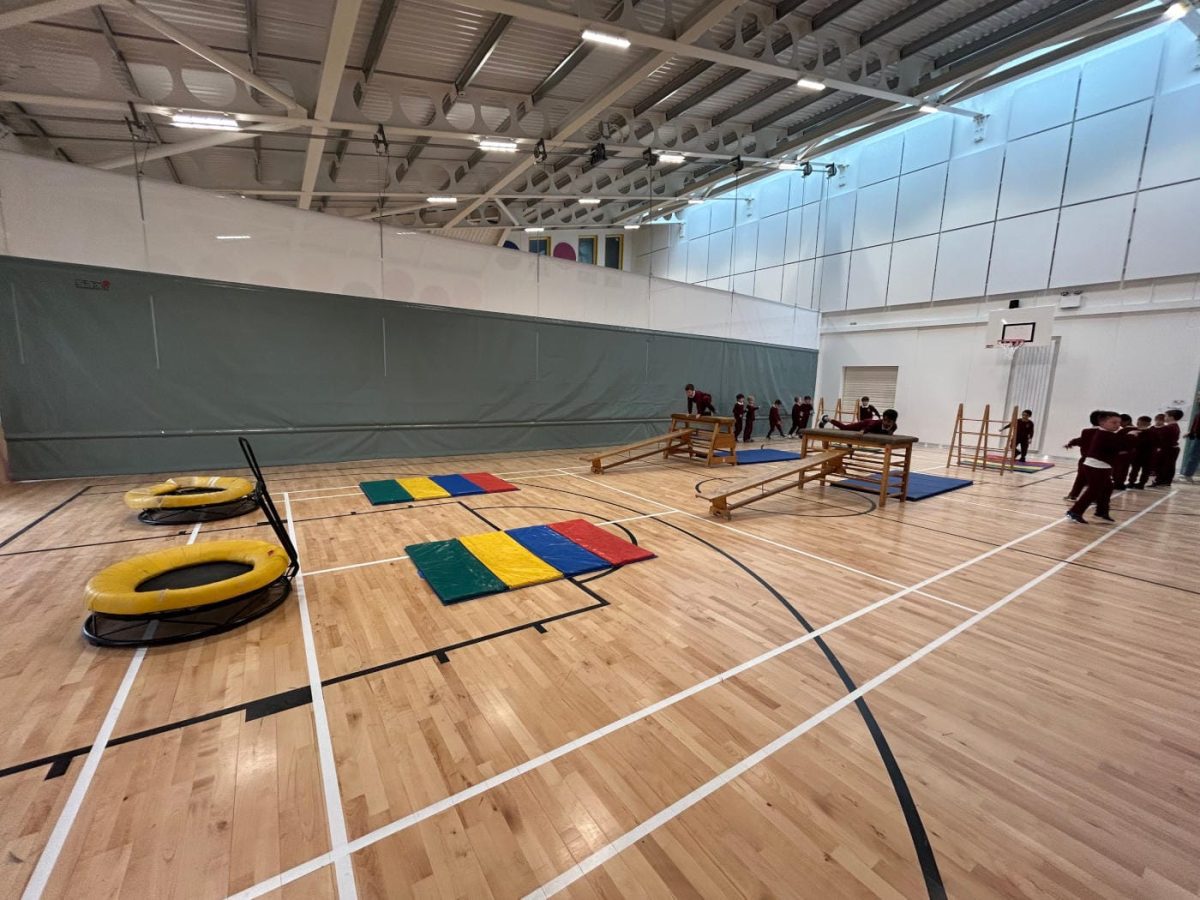
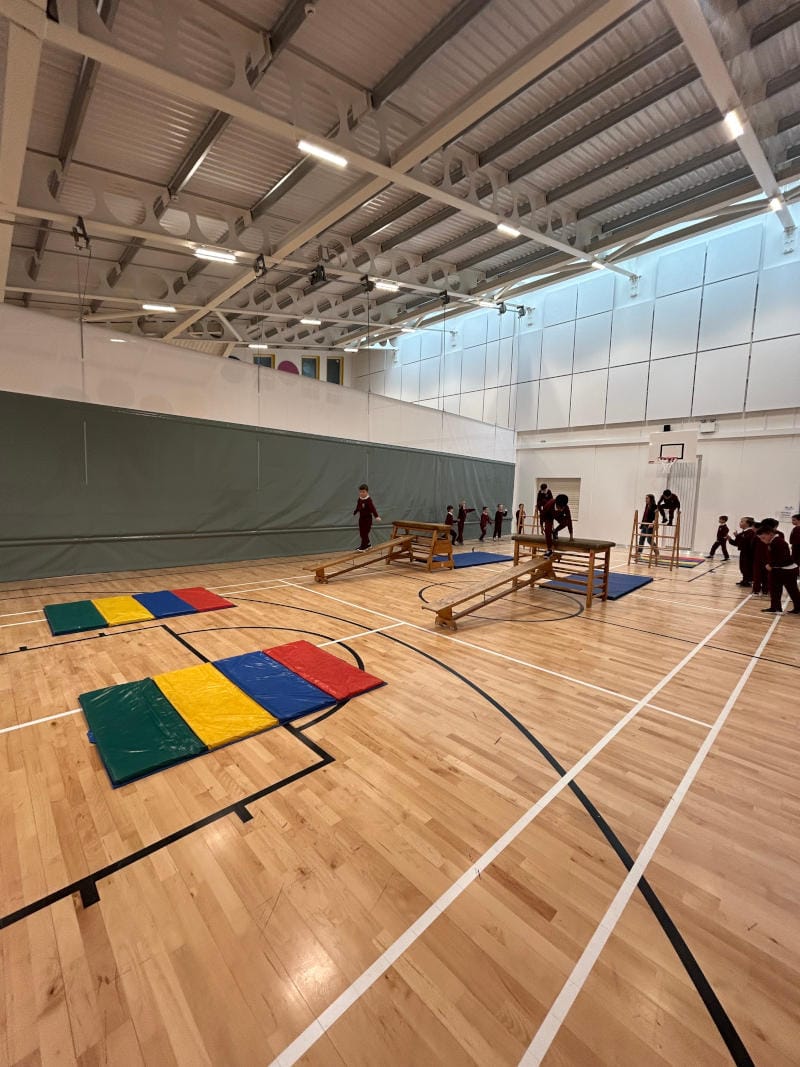
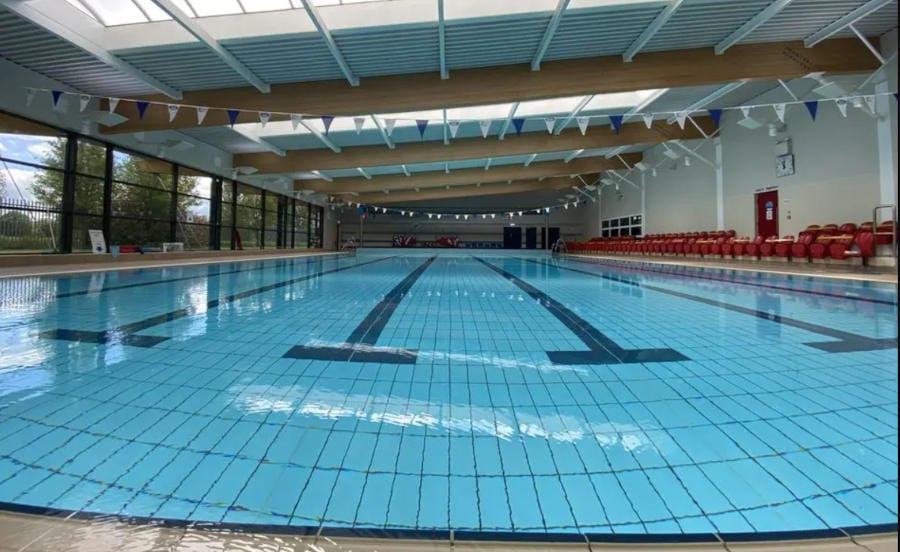
A key feature of the Wellbeing specification is the close connection between PE and SPHE. In the earlier stages of primary school, many learning outcomes span both subjects, helping teachers identify natural opportunities for integration, while in later stages learning outcomes become more subject specific, allowing for more focused teaching in each. Within PE, children experience a broad and balanced range of activities across seven areas, including Games, Gymnastics, Dance, Athletics, Aquatics, Outdoor and Adventure Education, and Active Living, giving every child the opportunity to discover the activities that suit them best and to build a lifelong, positive relationship with movement.
As with the other curriculum areas, Wellbeing is being introduced in Scoil Phádraig over the coming years, in line with the Department’s phased plan for the rollout of the Primary Curriculum Framework, with dedicated professional learning supporting our teachers as they bring the Wellbeing specification to life in our classrooms.